
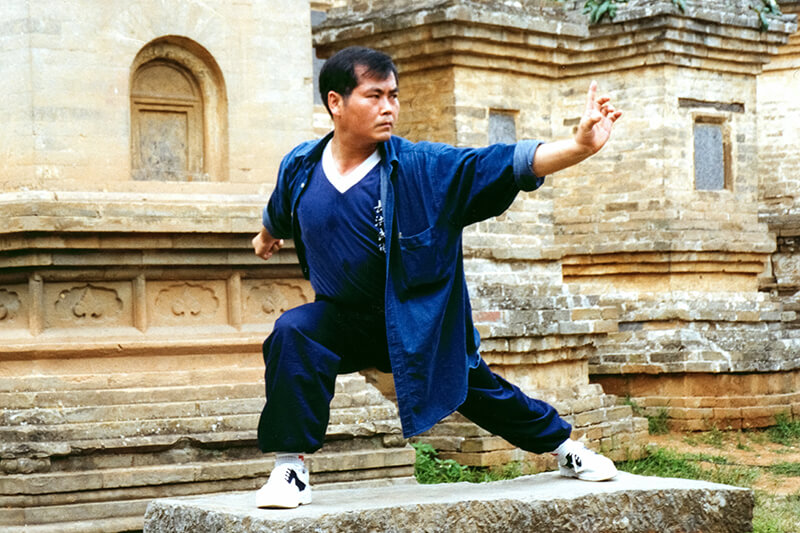
Wu De (武德) is commonly translated as “martial virtue,” “martial morality” or “the ethics of martial conduct.” It describes the character and principles expected of someone who studies, teaches or practises martial arts.
The concept rests on a simple idea: the ability to cause harm must be balanced by the wisdom and self-control not to misuse that ability.
Martial arts develop strength, confidence and influence. Without a moral foundation, these qualities can become arrogance, aggression or domination. Wu De therefore places the development of character alongside the development of physical skill.
More Than Rules and Etiquette
Wu De is sometimes reduced to visible customs such as bowing, addressing instructors respectfully or following the rules of a school. These practices may express respect, but they are not the whole of martial virtue.
A person can observe every ritual and still behave dishonestly or cruelly. In the same way, someone may be less formal while consistently showing courage, fairness and compassion.
Wu De is not simply about appearing disciplined. It is about the character revealed through a person’s choices—particularly when they hold power, face conflict or have an opportunity to take advantage of someone else.
The Inner and Outer Sides of Wu De
Wu De can be understood through two closely connected dimensions.
Inner character
The inner aspect concerns the qualities a martial artist develops within themselves:
- Humility: remaining open to learning regardless of rank or experience.
- Integrity: acting honestly, even when dishonesty would be easier.
- Self-control: managing anger, fear, pride and aggression.
- Patience: accepting that real development takes time.
- Courage: doing what is right despite discomfort or risk.
- Perseverance: continuing through difficulty without abandoning one’s principles.
These qualities shape how a person responds under pressure. Training does not create character automatically; it creates situations in which character can be examined and developed.
Conduct toward others
The outward aspect concerns how martial artists use their knowledge and treat the people around them:
- Showing respect without demanding submission.
- Using force only when necessary and proportionate.
- Protecting rather than exploiting vulnerability.
- Taking responsibility for the consequences of one’s actions.
- Representing one’s school and art with honesty.
- Sharing knowledge responsibly.
Inner discipline and outward conduct cannot be separated. A person’s values become meaningful when they influence behaviour.
Power and Responsibility
Every martial art involves power. This may be physical power, technical knowledge, social status or authority within a school.
Wu De asks what a person does with that power.
A skilled practitioner should become less interested in proving themselves, not more. Greater ability should bring greater restraint because the practitioner understands both the effectiveness and the consequences of violence.
This principle also applies outside physical confrontation. Rank, reputation and experience can be used to encourage others—or to intimidate and control them. Martial virtue requires practitioners to recognise these unequal relationships and behave responsibly within them.
True strength is not the freedom to do whatever one wants. It is the ability to govern oneself.
Wu De and the Teacher
A martial arts teacher occupies a position of considerable trust. Students may place confidence in the teacher’s knowledge, judgement and character. This creates an ethical responsibility that extends beyond demonstrating techniques.
A teacher practising Wu De should:
- Put students’ safety and development ahead of personal ego.
- Correct mistakes without humiliation.
- Challenge students without abusing authority.
- Apply standards consistently and fairly.
- Respect physical, emotional and personal boundaries.
- Be honest about qualifications, lineage and limitations.
- Encourage independent judgement rather than blind loyalty.
- Take responsibility when something goes wrong.
Strict training is not necessarily unethical. Discipline, discomfort and demanding standards can all contribute to growth. The important distinction is whether these methods serve the student’s development or the teacher’s need for control.
Fear is not the same as respect, and obedience is not the same as discipline.
Wu De and the Student
Martial virtue is equally relevant to students. Students are responsible for approaching training with sincerity, patience and respect.
A student practising Wu De listens carefully, trains safely and avoids using new skills recklessly. They respect training partners, control unnecessary force and accept correction without allowing pride to interfere with learning.
Respecting a teacher does not require surrendering personal judgement. A student should be able to ask questions, establish boundaries and recognise harmful conduct. Healthy tradition provides guidance and continuity; it should never be used to silence legitimate concerns.
The strongest teacher–student relationships are built on mutual trust rather than unquestioned authority.
Wu De Between Training Partners
The training hall depends on cooperation. Even when students compete, each person’s development relies on others being willing to train with them.
Wu De means recognising a training partner as a person who has temporarily entrusted you with their safety. It involves controlling techniques, respecting a submission or request to stop, and adjusting intensity to the partner’s experience and ability.
Winning an exchange at the expense of another person’s safety is not mastery. A skilled practitioner should be capable of helping others improve while keeping the training challenging and honest.
Conflict, Restraint and Violence
Martial arts prepare people for conflict, but Wu De teaches that physical confrontation should not be pursued for pride, revenge or entertainment.
Avoiding an unnecessary fight is not cowardice. It may require more awareness and discipline than engaging in one. De-escalation, withdrawal and restraint are legitimate expressions of martial ability.
When force becomes unavoidable, Wu De calls for necessity and proportion. The purpose should be to protect life and stop harm—not to punish, dominate or satisfy anger.
The goal is not passivity. It is the controlled and responsible use of strength.
Tradition and Critical Thought
Martial arts often carry traditions involving etiquette, hierarchy, lineage and loyalty. These can connect students to a rich history and create a strong sense of belonging.
However, Wu De should not be confused with protecting tradition from examination. Customs deserve respect when they preserve something valuable, but age alone does not make every practice ethical or effective.
A healthy martial culture allows sincere questions. It distinguishes respect from silence and loyalty from complicity. If a tradition permits abuse, dishonesty or exploitation, preserving it is not an expression of virtue.
Wu De is not merely inherited. It must be examined and practised by every generation.
Character Is Tested Beyond the Training Hall
It is relatively easy to appear respectful during a formal class. The deeper test is whether martial values continue outside the school.
How does a practitioner behave when insulted? How do they treat beginners, opponents and people who can offer them nothing? What happens when nobody is watching? Do they accept responsibility for their mistakes? Do they use their confidence to support others or to dominate them?
A belt or title can recognise technical achievement, but it cannot guarantee maturity. Character is demonstrated repeatedly through ordinary choices.
A Continuing Practice
Wu De is not a status awarded at a particular rank. It is a lifelong practice.
Like technique, character requires attention, correction and repetition. Every conflict offers an opportunity to practise restraint. Every mistake offers an opportunity to practise honesty. Every position of authority offers an opportunity to practise responsibility.
Martial arts may teach someone how to strike, throw, control or defend. Wu De asks the more important questions: When should those abilities be used? Why are they being used? What responsibility comes with possessing them?
The highest expression of martial arts is not simply the ability to overcome another person. It is the ability to govern oneself—to carry strength without arrogance, authority without cruelty and confidence without losing compassion.
Technique makes someone capable. Wu De determines what they do with that capability.